These can Make Your Allergies Worse
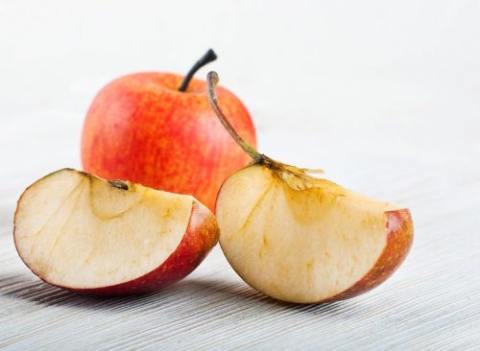
Birch tree pollen is the most common springtime allergen, and if you have an allergy, eating an apple could cause your mouth or throat to become itchy. Researchers say this is a result of cross-reactivity. A study in The Journal of Allergy and Clinical Immunology found that antigens in birch pollen and apples share allergenic epitopes that produce Immunoglobulin E (IgE) cross-reactivities.
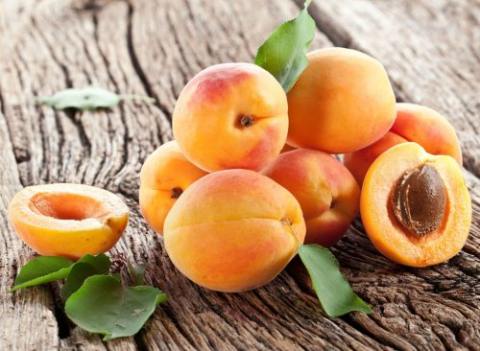
In a study that also appeared in The Journal of Allergy and Clinical Immunology, researchers found that there is one major allergen common to fruits of the Prunoideae subfamily, which includes peaches, cherries, apricots, and plums, that causes wide cross-reactivity.

Cherries are part of the Prunoideae subfamily, so they can cause a reaction to those allergic to birch tree pollen.
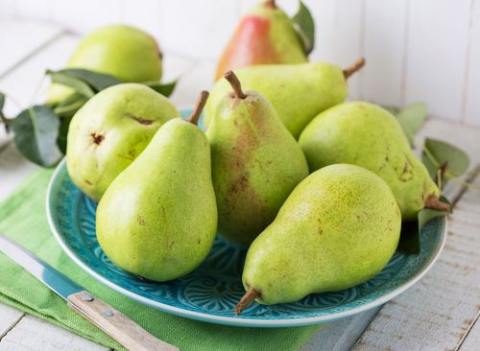
Unfortunately for those allergic to birch tree pollen, you should peel their skin before eating them. Because pears contain a protein that’s similar to a protein in birch pollen, people may experience an allergic reaction after eating it. However, researchers at The University of Manchester say that cooking pears can help eliminate the offending proteins.
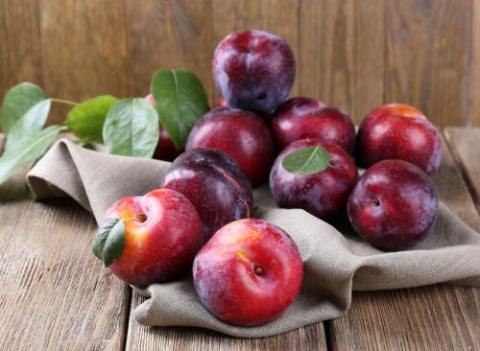
As a part of the Prunoideae subfamily, plums can cause an allergic reaction as those allergic to birch tree pollen. In fact, a study in the Journal of Allergy found that when OAS sufferers ate plums they experienced a series of allergic responses, including lip swelling and itchy lips, tongue, and throat, as well as dryness and hardness in the throat.
Comments
Post a Comment